


-

Add: HeBei ShengShi HongBang Cellulose Technology CO.,LTD.
-

Email
13180486930@163.com -

CONTACT US
+86 13180486930

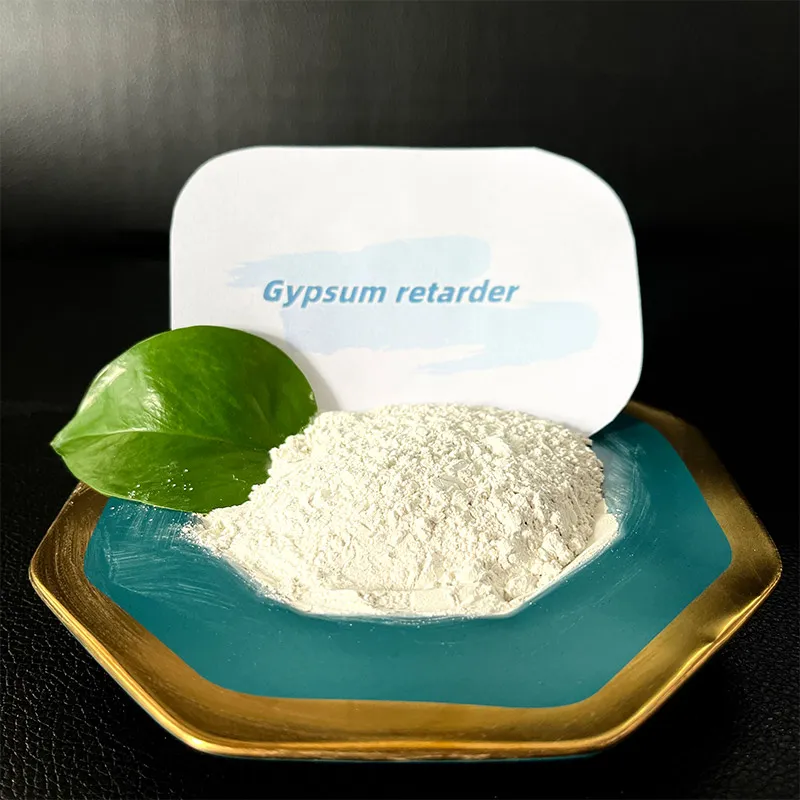
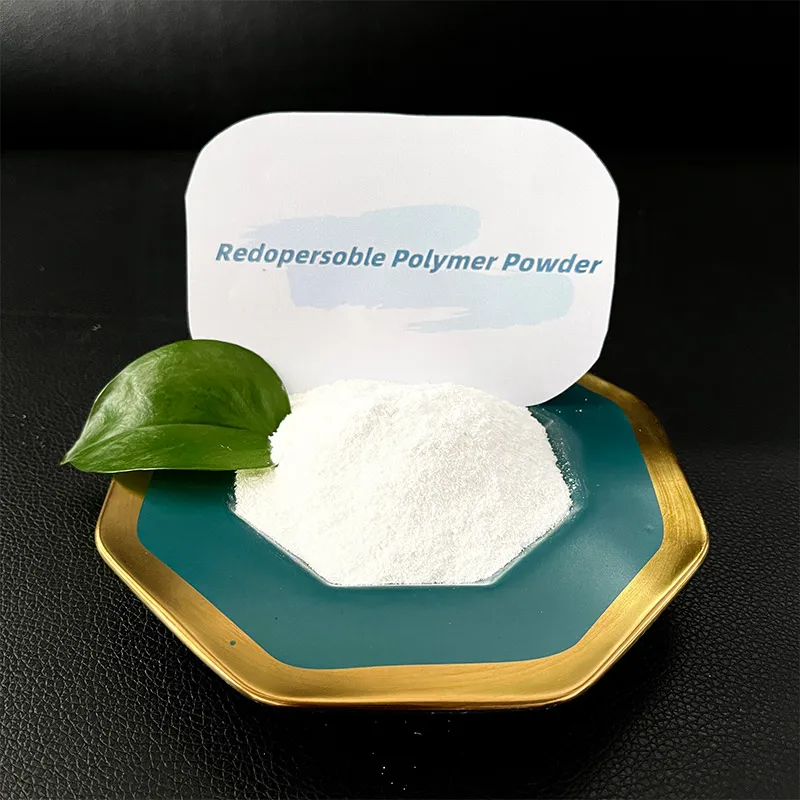





Gypsum retarder, field-tested: the tiny dose that saves your schedule If you’ve ever watched a batch of plaster stiffen just as you’re setting the bead, you already know why a plaster retarder matters. In practice, it’s the difference between frantic re-mixing and a clean, predictable finish. HeBei ShengShi HongBang Cellulose Technology CO., LTD (Room 1904, Building B, Wanda Office Building, JiaoYu Road, Xinji City, Hebei Province) makes a solid, production-grade solution simply called Gypsum retarder. I’ve used similar blends on job sites and in pilot lines; this one checks the right boxes. What it is and why it works Technically, a plaster retarder slows the hydration and crystallization of calcium sulfate hemihydrate (stucco) into dihydrate (set gypsum). Organic acid salts (think citrate/tartrate families) and refined protein modifiers adsorb on crystal nuclei, delaying growth. The result: extended working time, steadier flow, and—when dosed correctly—no real hit on final strength. Many customers say the biggest surprise is consistency from morning to late afternoon pours, despite temperature swings. Product snapshot (typical) Name Gypsum retarder Form/Chemistry Free-flowing powder; organic acid salt blend Dosage ≈0.05–0.30% by weight of gypsum (real-world use may vary) Set-time extension +20 to +120 min vs. control (ASTM C472 Vicat) pH (1% sol.) ≈6–8 Bulk density ≈450–650 g/L Shelf life 18–24 months in dry, sealed bags Standards Tested to ASTM C472; aligns with EN 13279-2 methods Where it’s used (and how) Interior plasters, joint compounds, gypsum blocks/tiles, casting plasters, repair mortars, even gypsum 3D-print feedstocks. Typical method: dry-blend into powder formulation or premix in gauging water; mix 2–3 minutes for uniformity. Process flow: raw gypsum selection → calcination → blending (fillers, polymers, plaster retarder ) → QC tests (Vicat set, flow cone, compressive strength) → bagging. Testing standards: ASTM C472 (set/consistency), EN 13279-2 (workability/strength). Some buyers also look for ISO 9001 quality systems. Service life in application: extended open time 20–90 minutes, depending on climate and dosage. Quick field data from recent plant trials: at 0.12% dosage, initial set moved from 12 to 52 minutes; compressive strength at 7 days retained 95% of control; water demand rose ≈1.5%. Honestly, that’s right in the sweet spot—usable pot life without mushy edges. Vendor comparison (indicative) Vendor/Type Typical dosage Strength retention Notes SSH-BHPMC Gypsum retarder 0.08–0.20% ≈92–98% Balanced set control; stable in warm climates Generic citrate-based 0.10–0.30% ≈90–96% Economical; may need defoamer Legacy protein-based 0.20–0.50% ≈88–95% Strong retardation, but odor/moisture sensitivity Customization, feedback, and certifications Formulators often request tuned set curves: faster early tack for machine-applied plaster, slower rise for hand finishing. SSH-BHPMC offers custom blends and supports plant trials—helpful, because real sand gradation and ambient humidity always push back. Contractors we spoke with liked the “predictable mornings” (their phrase), and a prefab panel line in Southeast Asia reported a 7% rework drop after switching dosing from 0.18% to 0.14% with tighter QC. Documentation commonly provided: SDS, technical data sheet; quality systems aligned with ISO 9001; testing per ASTM C472/EN 13279-2. Advantages you actually notice Cleaner edges and longer trowel time, without gummy overrun. Reduced cold-joint risk across large wall pulls. Stable performance across seasons—surprisingly forgiving in summer. Fine-tunable dosing; plays well with HPMC, starch ether, and defoamers. Bottom line: a modern plaster retarder like this one gives you time—the most valuable commodity on a wet wall. Start at 0.10% in temperate weather, validate with ASTM C472 in-house, and nudge by ±0.02% until your crews say, “Don’t touch it.” To be honest, that’s usually the best KPI you’ll get. Authoritative citations ASTM C472: Standard Test Methods for Physical Testing of Gypsum, Gypsum Plasters and Gypsum Concrete. EN 13279-2: Gypsum binders and gypsum plasters – Test methods. ISO 9001:2015 Quality management systems – Requirements. ECHA Guidance on Registration under REACH (re: additives in mixtures), European Chemicals Agency.
- 40000tons

Production
- 20+years

Experience
- 5000+㎡

Acreage

-
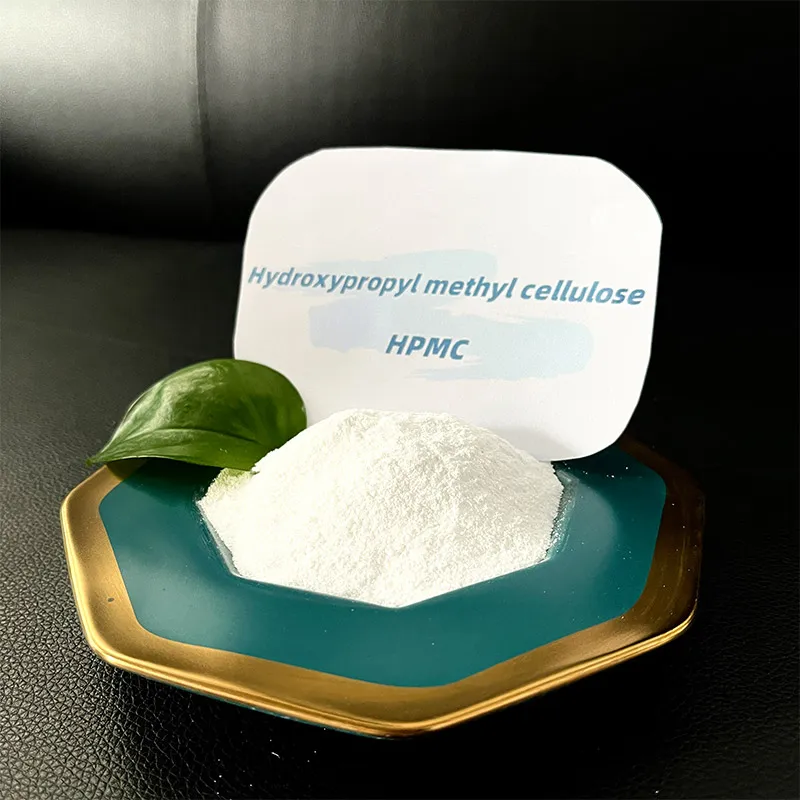
In the realm of pharmaceutical and food industries, Hydroxypropyl Methylcellulose (HPMC) has emerged as a pivotal component. Its Material Safety Data Sheet (MSDS) is an essential tool for experts aiming to ensure safe handling and application. Delving into HPMC’s characteristics, professionals establish its credibility, owing to its multifaceted applications and safety profile. HPMC, a non-ionic cellulose ether, boasts significant versatility as an excipient in pharmaceuticals, a stabilizer in food products, and a key ingredient in personal care items. The substance is renowned for its viscosity, thickening properties, and water solubility, making it indispensable in various industrial processes. With an MSDS, industries gain a comprehensive understanding of how to leverage HPMC without compromising safety or effectiveness. Professionals with experience in the pharmaceutical field recognize the critical role of HPMC in controlled release medication. Its ability to modulate drug release rates in hydrophilic matrices exemplifies advanced pharmaceutical technology. This expertise is supported by documented evidence, enhancing HPMC’s authoritative stance within the industry . An MSDS serves as a testament to such applications, detailing essential safety measures and best practices for utilization. From a food safety perspective, HPMC ensures that products maintain their stability and texture during storage and consumption. As a hydrocolloid, it acts as an emulsifier, suspending agent, and thickener, reflecting professional expertise in food science. To uphold authoritativeness, specialists consistently turn to MSDS documentation, as it guarantees adherence to safety and quality standards demanded by consumers and regulatory bodies alike. hpmc msds In personal care formulations, HPMC is trusted for its film-forming capabilities, promoting smooth application and moisture retention in products like lotions and shampoos. Its role in creating a pleasant user experience hinges on its unique chemical properties detailed within the MSDS. This document serves as a cornerstone of trust, assuring both manufacturers and consumers of the ingredient’s safety and efficacy. Adhering to safety practices delineated in an MSDS is non-negotiable for ensuring HPMC’s responsible application. This document details critical information about storage conditions, handling precautions, and emergency procedures. By meticulously following these guidelines, industries can bolster their trustworthiness amongst stakeholders, thereby reinforcing their reputation and adherence to global safety standards. Equipped with expertise, authority, and empirical data, specialists across sectors depend on the MSDS of HPMC to make informed decisions. This reliance illustrates an earnest commitment to maintaining high standards of application, safety, and effectiveness. As a key contributor to innovation and quality, HPMC continues to influence the future of multiple industries, sustained by the confidence provided through comprehensive safety data. In summary, the significance of HPMC’s MSDS extends beyond regulatory compliance; it underpins the integrity of its applications across diverse domains. Ensuring a seamless blend of experience, expertise, authority, and trustworthiness, the document builds a robust framework for responsible usage and continuous innovation. As industries continue to evolve, the MSDS remains a critical resource, facilitating the safe and effective integration of HPMC into new and existing products.
-
The rubber powder production line is a revolutionary method for recycling used tires and rubber materials. Through this advanced system, rubber waste is transformed into fine powder, providing a sustainable solution for various industries. The process involves several stages, including shredding, grinding, and sieving, resulting in powder rubber of various sizes and grades. This rubber powder can then be used in a wide range of applications, from road construction to consumer products. The rubber powder production line plays a crucial role in reducing environmental impact by repurposing rubber waste that would otherwise end up in landfills. By recycling tires into powder rubber , companies help conserve natural resources and reduce the carbon footprint associated with the disposal and production of new materials. This not only supports eco-friendly initiatives but also provides a valuable resource for businesses across many sectors. Additionally, the growing awareness of sustainability has led to an increase in demand for recycled rubber products, making the rubber powder production line a vital tool in the circular economy. The equipment used in this process is constantly evolving to meet the demand for higher-quality, finer powder that can be applied to more industries. The Importance of Crumb Rubber Powder in Various Industries Crumb rubber powder has become an essential material in various industries, thanks to its versatility and eco-friendly nature. One of its primary applications is in the creation of rubberized asphalt for road construction. The incorporation of crumb rubber powder into asphalt helps improve the durability and resistance of road surfaces, ensuring they can withstand harsh weather conditions and heavy traffic. This innovation contributes to longer-lasting roads while reducing the frequency of maintenance and repairs. The use of crumb rubber powder is also widespread in the production of sports and playground surfaces. As an infill material in artificial turf, the rubber powder provides excellent cushioning and shock absorption, ensuring that fields and playgrounds are both safe and comfortable for users. This application is particularly beneficial in reducing injuries in sports facilities and providing a safe environment for children. Moreover, crumb rubber powder is incorporated into various consumer goods, such as mats, tiles, and flooring materials. These products benefit from the durability and flexibility of rubber, which makes them suitable for high-traffic areas or environments that require shock resistance. The ability to use recycled rubber in these products significantly reduces the need for virgin rubber, further supporting sustainability efforts. How the Price of Crumb Rubber Powder is Determined The crumb rubber powder price is influenced by several factors, including raw material costs, production processes, and market dynamics. One of the major determinants of price is the availability of used tires, which serve as the primary input for crumb rubber powder production. When there is an abundance of discarded tires, the price of the raw material may decrease, leading to lower costs for crumb rubber powder production. The complexity of the manufacturing process is another factor that impacts the crumb rubber powder price . More advanced production methods that result in higher-quality rubber powder, with finer particle sizes, may increase production costs. Additionally, factors like labor costs, equipment maintenance, and energy consumption can all contribute to variations in the price of the final product. Market demand plays a significant role in determining the price of crumb rubber powder . As industries recognize the benefits of using recycled materials and the demand for eco-friendly products rises, the price of crumb rubber powder may increase. Conversely, if demand decreases or if cheaper alternatives emerge, the price of crumb rubber powder may experience downward pressure. It’s important for manufacturers and buyers to keep an eye on market trends to make informed decisions regarding pricing. How Tyre Rubber Powder Benefits Various Applications Tyre rubber powder is widely used across various sectors due to its unique properties, including flexibility, durability, and resistance to wear. One of the key uses of tyre rubber powder is in the automotive industry, where it is incorporated into the production of car parts like seals, gaskets, and bushings. The addition of rubber powder to these components helps improve their performance by enhancing their elasticity and resistance to friction and wear. In the construction industry, tyre rubber powder is often mixed with concrete to improve the material’s flexibility and resilience. This mixture, often referred to as rubberized concrete, is highly durable and can withstand harsh environmental conditions. It also reduces the likelihood of cracking, making it ideal for use in pavements, roadways, and foundations. Additionally, tyre rubber powder helps improve the overall sustainability of construction projects by utilizing recycled rubber, which reduces the need for new, non-renewable raw materials. Another significant application of tyre rubber powder is in the production of playground surfaces and sports fields. The powder is used as infill material in artificial grass, providing a cushioned and shock-absorbent surface that reduces the risk of injuries. This is especially important for fields and playgrounds that are used by children or athletes. The use of tyre rubber powder in these areas not only enhances safety but also contributes to a sustainable environment by reducing the reliance on virgin materials. Moreover, tyre rubber powder is a popular material in the manufacturing of various consumer products, such as footwear, mats, and even furniture. Its durability and resistance to moisture and wear make it an ideal material for high-performance products that require longevity and flexibility. By incorporating recycled materials like tyre rubber powder , manufacturers can create eco-friendly products while also reducing costs. Eco-Friendly Benefits of Using Rubber Powder in Manufacturing The use of rubber powder in manufacturing offers numerous environmental benefits, primarily due to its role in recycling and waste reduction. By transforming discarded tires and rubber products into rubber powder , industries can help divert waste from landfills, thereby contributing to a more sustainable and eco-conscious manufacturing process. This helps reduce the environmental burden associated with rubber waste and promotes the use of recycled materials in the production of new goods. Another key advantage of using rubber powder is that it reduces the need for virgin raw materials, which are often non-renewable. By substituting virgin rubber with recycled rubber powder , manufacturers can decrease the demand for natural resources such as rubber trees or synthetic materials derived from petroleum. This contributes to the conservation of these resources, making the entire manufacturing process more sustainable and environmentally friendly. In addition to reducing waste and conserving natural resources, the use of rubber powder in manufacturing also helps lower production costs. Since rubber powder is generally more affordable than virgin rubber, businesses can reduce their expenses without sacrificing product quality. The cost savings achieved by using recycled materials can be passed on to consumers, making eco-friendly products more accessible and affordable. The use of rubber powder in various applications, from construction to consumer goods, is a key factor in achieving the goals of a circular economy. By recycling rubber and incorporating it into new products, companies can reduce their carbon footprint, promote sustainability, and help protect the environment. rubber powder FAQs What is the rubber powder production line? The rubber powder production line is a system designed to recycle used tires and rubber materials into fine rubber powder. This powder can be used in various applications, such as road construction, sports fields, and consumer products. What is the price of crumb rubber powder? The price of crumb rubber powder varies based on factors such as raw material availability, production costs, and market demand. It is typically more affordable than virgin rubber, offering a cost-effective solution for manufacturers. What are the applications of tyre rubber powder? Tyre rubber powder is used in a wide range of applications, including automotive parts, rubberized concrete, playground surfaces, sports fields, and consumer goods. It is valued for its durability, flexibility, and wear resistance. How does rubber powder contribute to sustainability? The use of rubber powder in manufacturing helps reduce waste by recycling used tires and rubber materials. This not only minimizes the environmental impact of rubber waste but also reduces the need for virgin raw materials, supporting a more sustainable manufacturing process. Can rubber powder be used in road construction? Yes, rubber powder is commonly used in road construction, particularly in the production of rubberized asphalt. This type of asphalt is more durable and resistant to wear, cracks, and extreme weather conditions, making it an ideal material for road surfaces.
advantages
-

200000 Viscosities
Excellent product
We can produce pure products up to 200,000 viscosities
-

40000 tons
High yield
We don’t stop production all year round, and the annual output can reach 40,000 tons
-

24 hours
Quality service
We provide 24-hours online reception service, welcome to consult at any time
———— Inquiry Form
Schedule A services
-
 fine_rubber_powder
Oct . 25, 2025
How to Make HPMC Gel A Step-by-Step Guide Hydroxypropyl methylcellulose (HPMC) is a versatile polyme -
 hpmc_k_100_m
Oct . 25, 2025
Retained eye comfort is often a top priority for individuals dealing with dry eyes. Among the myriad -
 selulosi_kuni_putty
Oct . 25, 2025
When it comes to pharmaceutical excipients, one of the highly essential components is Hypromellose,


